



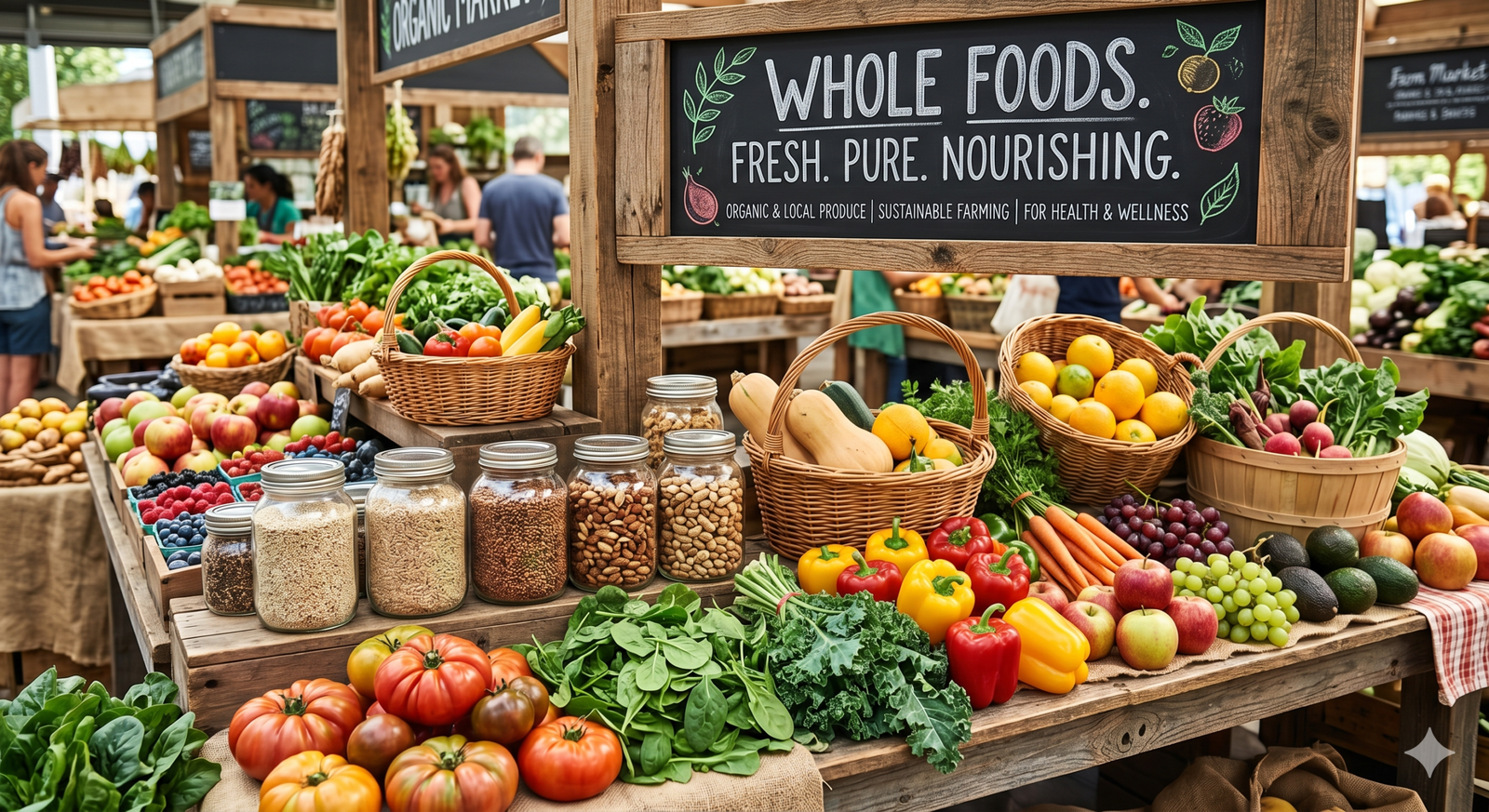
The Ultimate Guide to Eating Whole Foods for Optimal Health
Have you ever felt completely overwhelmed by the endless aisles of packaged snacks in your local supermarket? You are definitely not alone in navigating this confusing modern dietary maze. The shift toward extreme convenience has unfortunately pulled many of us away from our traditional nutritional roots. But there is a simple, highly effective solution that cuts through the noise: whole foods.
Embracing this wholesome lifestyle is not about rigid restriction or obsessively counting every single calorie you consume. It is about gracefully returning to what nature originally intended for human consumption and sustained energy. By intentionally choosing whole foods, you nourish your body with the pure, unadulterated nutrients it genuinely craves.
This guide will break down everything you need to know about transforming your health through natural eating. We will explore the science behind these ingredients, clear up common misconceptions, and provide practical steps for your daily routine.
What Exactly Are Whole Foods?
When nutrition experts and doctors talk about healthy eating, the term whole foods comes up constantly in conversation. But what does this concept actually mean when you are standing in your kitchen preparing a meal? Essentially, these are natural ingredients that have been processed or refined as little as possible before reaching your plate.
They are completely free from artificial additives, harsh synthetic preservatives, and laboratory-created flavorings that confuse your taste buds. Think of a crisp apple picked straight from a tree compared to a highly processed, apple-flavored breakfast cereal. The fresh apple is a perfect, classic example of natural, unrefined sustenance.
You might be wondering where the line is drawn when it comes to the definition of food processing. Simple acts like peeling, chopping, or cooking a fresh vegetable do not strip it of its natural, healthy status. The real problem arises when large manufacturers strip away the dietary fiber and inject artificial colors to extend shelf life.
If you can look at an ingredient and immediately recognize it as something from the earth, you are succeeding. Sticking to whole foods means prioritizing nature’s original, brilliant packaging over brightly colored, heavily marketed cardboard boxes.
The Vital Difference Between Processed and Unprocessed
Understanding the broad spectrum of processing is absolutely crucial for your long-term health and wellness journey. Not all food processing is inherently evil, as practical methods like freezing fresh vegetables actually lock in essential, vital nutrients. However, ultra-processed items are scientifically engineered in laboratories to completely hijack your brain’s natural reward system.
These hyper-palatable snacks often leave you feeling empty and hungry shortly after consuming large quantities of them. In sharp contrast, eating a balanced diet rich in whole foods provides complex carbohydrates and healthy fats that digest slowly. This slow, steady digestion process provides a reliable stream of energy throughout your incredibly busy work day.
Reading Labels to Identify True Whole Foods
One of the biggest challenges in modern grocery shopping is seeing past the clever, deceptive marketing on food packaging. Many products boldly claim to be entirely natural, yet their ingredient lists tell a drastically different, highly chemical story. To successfully navigate the store, you must become an expert at flipping the package over and reading the fine print.
When you are genuinely shopping for whole foods, the ingredient list should ideally be incredibly short and easy to pronounce. A bag of raw almonds, for example, should list only one single ingredient on the back: raw almonds. If a seemingly simple product contains a long paragraph of unrecognizable chemical compounds, it belongs back on the shelf.
The Five-Ingredient Rule
A highly effective strategy utilized by many nutritionists is the popular and simple five-ingredient rule for packaged goods. If a specific item contains more than five ingredients, it is highly likely that it has crossed into ultra-processed territory. This is a remarkably easy mental shortcut to help you make split-second, healthy decisions while pushing your grocery cart.
Of course, there are rare exceptions to this rule, such as a hearty, natural soup made entirely from various vegetables. However, when trying to increase your intake of whole foods, minimizing complex, chemically altered ingredient lists is a perfect starting point. It empowers you to take absolute control over what you are feeding yourself and your loved ones.
The Incredible Health Benefits of a Whole Foods Diet
Switching your primary dietary focus can lead to profound, highly visible changes in how you look and feel every single day. When you consistently consume whole foods, you are absorbing a complex matrix of essential vitamins, minerals, and powerful antioxidants. These natural compounds work together synergistically in ways that isolated, synthetic vitamin supplements simply cannot ever replicate.
For instance, the dense fiber found in a fresh orange naturally slows down your body’s absorption of its sweet fruit sugars. If you drink a massive glass of processed orange juice instead, you completely miss out on that vital, protective fiber. This tragic omission leads to rapid blood sugar spikes and subsequent energy crashes that completely ruin your afternoon focus.
According to prominent nutritional researchers, diets centered primarily around minimally processed ingredients drastically reduce the risk of severe chronic illnesses. Debilitating conditions like heart disease, type 2 diabetes, and certain forms of cancer are heavily influenced by long-term, daily dietary choices.
Gut Health and the Microbiome
Your complex digestive tract is home to trillions of beneficial bacteria that dictate everything from your immune response to your daily mood. These microscopic, powerful allies absolutely thrive on the diverse, rough fibers found exclusively in plant-based whole foods.
When you constantly starve these friendly bacteria by eating ultra-processed, refined meals, your gut microbiome quickly becomes unbalanced and inflamed. Feeding them a wide variety of colorful vegetables, legumes, and hearty whole grains encourages a robust, highly diverse microbial ecosystem. A supremely healthy gut is the undisputed foundation of overall wellness and lifelong human vitality.
Sustainable Weight Management
Countless people desperately struggle with frustrating yo-yo dieting and highly restrictive meal plans that eventually lead to inevitable failure. The true beauty of focusing heavily on whole foods is that it naturally regulates your stubborn appetite and daily calorie intake. Because these natural ingredients are incredibly nutrient-dense and physically bulky, they stretch your stomach and signal fullness much faster.
You can easily eat a massive, deeply satisfying bowl of roasted root vegetables and lean protein for a fraction of the calories. This naturally creates a highly sustainable caloric deficit without the gnawing, miserable feeling of daily starvation. By heavily prioritizing whole foods, your body gradually relearns how to send highly accurate hunger and reliable fullness signals once again.
The Psychological Benefits of a Natural Diet
While the physical changes are often the most celebrated, the incredible mental benefits of this lifestyle are equally, if not more, profound. The human brain consumes a massive amount of the energy we take in, and it requires premium fuel to function optimally. Transitioning to a diet based on whole foods can dramatically alter your cognitive performance and daily emotional stability.
Many people who abandon heavily processed diets report a rapid, significant decrease in frustrating daily brain fog. The heavy influx of refined sugars and artificial dyes found in modern snacks has been strongly linked to cognitive fatigue and poor concentration. Feeding your brain natural, unrefined nutrients allows your neural pathways to fire quickly, sharply, and with much greater efficiency.
The Connection Between Diet and Mood
Emerging scientific research in the fascinating field of nutritional psychiatry clearly shows that what we eat directly impacts our mental health. Diets entirely lacking in quality whole foods are frequently associated with significantly higher rates of clinical depression and daily anxiety.
This makes perfect sense when you realize that roughly ninety percent of your body’s serotonin is actively produced in your digestive tract. When your gut is thriving on a steady supply of whole foods, your brain receives the precise chemical signals needed to remain calm and happy.
How to Transition to Eating More Whole Foods Every Day
Making a drastic, highly restrictive overnight change to your diet is usually a guaranteed recipe for intense frustration and eventual burnout. Instead, focus your energy on making gradual, highly sustainable swaps that slowly push out the heavily processed, artificial items. Begin your journey by simply adding one extra serving of fresh vegetables to your regular dinner plate each evening.
Another highly effective, deeply practical strategy is to completely rethink how you physically navigate your favorite local grocery store. The vast majority of whole foods are conveniently located around the outer, refrigerated perimeter of the typical modern supermarket. This specific layout is exactly where you will find the vibrant fresh produce, lean meats, quality seafood, and dairy sections.
The inner, dimly lit aisles are typically packed tightly with the highly refined, artificially preserved products you genuinely want to avoid. While there are healthy exceptions like dried black beans, rolled oats, and brown rice, sticking mainly to the edges makes shopping easier. Spending most of your time actively browsing in the produce section is a fantastic, life-changing habit to slowly develop.
Smart and Delicious Ingredient Swaps
You absolutely do not have to give up your favorite, comforting meals to successfully embrace this much healthier lifestyle. It is completely about finding clever, tasty substitutions that significantly elevate the overall nutritional profile of your favorite traditional dishes. If you fiercely love Italian pasta night, try swapping traditional white flour noodles for those made entirely from brown rice or protein-packed lentils.
Instead of lazily reaching for a plastic bottle of sugary, chemically laden salad dressing, quickly whip up your own at home. A remarkably simple mix of extra virgin olive oil, fresh squeezed lemon juice, and a tiny pinch of sea salt tastes vastly superior. These seemingly tiny adjustments to seamlessly incorporate whole foods eventually compound into massive, undeniable health benefits over several years.
Common Misconceptions About Natural Ingredients
There are several persistent, highly damaging myths that frequently prevent ordinary people from taking total control of their daily nutrition. The most common, frustrating misconception is that eating healthy is a rare luxury reserved exclusively for the incredibly wealthy. While boutique, high-end health markets certainly sell wildly expensive exotic items, the solid foundation of this diet is actually incredibly affordable.
Staple, versatile whole foods like dried brown lentils, black beans, whole grain oats, and seasonal vegetables are incredibly cheap options. When you intelligently buy these specific ingredients in larger bulk quantities, the exact cost per serving drops significantly below frozen dinners. You simply need to joyfully invest a little extra time into learning how to season and prepare them deliciously at home.
The Frustrating Time Constraint Myth
Another major, frequent hurdle is the widespread belief that cooking entirely from scratch requires many exhausting hours in the kitchen every night. We all live in a highly fast-paced, demanding world, and quick convenience often feels like an absolute, unavoidable necessity. However, consistently preparing whole foods can actually be remarkably fast and efficient if you actively utilize the right culinary strategies.
Strategic batch cooking on lazy weekend afternoons allows you to seamlessly prepare large, useful quantities of wholesome grains and roasted vegetables. Having these versatile, pre-cooked components ready in your refrigerator means you can easily assemble a nutrient-packed meal in mere minutes. A reliable slow cooker can also effortlessly do the heavy lifting for you while you are actively working at the office.
Making Whole Foods a Permanent Lifestyle, Not a Fad
Modern toxic diet culture is deeply obsessed with grueling thirty-day challenges and rapid quick fixes that rarely ever yield long-lasting results. To truly, deeply benefit from whole foods, you must fundamentally view this exciting transition as a permanent, lifelong commitment to well-being. It is entirely about building a completely new, highly respectful relationship with the vital nourishment you regularly put into your body.
Always remember to generously give yourself grace when you occasionally indulge in a processed, sugary treat at a fun birthday party. Absolute perfection is the ultimate enemy of steady progress, and stressing over a single slice of cake is highly counterproductive. What truly matters the most is the remarkably consistent dietary pattern you successfully maintain day in and day out.
To continue improving your habits, be sure to actively check out our other comprehensive nutritional guides available right here on our blog. By continuously, passionately educating yourself, the daily choice to prioritize natural ingredients quickly becomes effortless second nature. Eventually, your physical palate will fully adapt, and you will actually start deeply craving the vibrant, complex flavors of real meals.
The Powerful Environmental Connection
Interestingly enough, actively choosing this specific dietary path is not just highly beneficial for your personal physical health, but also for our planet. The massive industrial manufacturing processes strictly required to rapidly create ultra-processed snacks are incredibly resource-intensive and deeply polluting. The excessive, unnecessary plastic packaging utilized for these snacks contributes massively to our devastating global waste crisis.
When you intentionally buy whole foods, especially those thoughtfully sourced from local community farmers, you drastically reduce your personal carbon footprint. You are directly supporting ethical agricultural practices that are far more beautifully aligned with the earth’s delicate natural cycles. Eating much closer to the earth is a deeply powerful, highly effective way to vote for a sustainable future with your wallet.
Conclusion
Dramatically transforming your personal health does not require a highly complicated, restrictive blueprint or an incredibly expensive array of synthetic laboratory supplements. The simple, undeniable secret has always been quietly growing right out of the fertile ground beautifully beneath our very feet. By intentionally and joyfully choosing whole foods, you reliably provide your body with the exact, perfect building blocks it desperately needs to thrive.
Take this exciting journey just one single meal at a time, eagerly explore new ingredients, and carefully listen to your body. The highly rewarding journey back to eating real, unprocessed ingredients is the single most important investment you can possibly make in your longevity. Start your incredibly vibrant new lifestyle today, and warmly let the undeniable, scientifically proven power of whole foods change your life for the better.
Read also : The Ultimate 2026 Guide to Shopping at Whole Foods Market
What are the absolute best examples of whole foods?
The absolute best examples are natural items that contain only one single ingredient, looking exactly as nature perfectly grew them. This beautiful category includes fresh, vibrant fruits like wild berries and crisp apples, alongside hearty vegetables like dark spinach and sweet potatoes. Unrefined, wholesome grains like fluffy quinoa and chewy brown rice, as well as raw nuts and fresh eggs, also fit perfectly here.
Is a whole foods diet the exact same thing as being a vegan?
No, this specific dietary approach is absolutely not strictly vegan or rigidly vegetarian, although it does highly encourage eating mostly plant-based ingredients. You can absolutely, safely eat animal products while happily following this lifestyle, provided they are kept minimally processed and incredibly fresh. Consciously choosing wild-caught, fresh fish or organic, farm-raised chicken breasts over highly processed hot dogs is the primary nutritional goal.
Can I ever occasionally eat processed snacks again?
Yes, you can absolutely enjoy heavily processed, fun snacks occasionally without completely ruining your health progress or destroying your dietary goals. The main objective is simply to make natural, unprocessed ingredients the vast, overwhelming majority of your daily caloric intake. Enjoying a sweet treat mindfully helps completely prevent negative feelings of extreme restriction, making the lifestyle deeply sustainable for the long term.
Are frozen supermarket vegetables truly considered whole foods?
Frozen supermarket vegetables are absolutely considered highly natural, completely unprocessed ingredients and are an excellent, budget-friendly addition to your diet. In fact, they are very often flash-frozen at the absolute peak of their natural ripeness, which beautifully locks in their vital nutrients. Just be absolutely sure to carefully check the ingredient label to ensure there are no added sugary sauces or artificial chemical preservatives.
How do whole foods actually help with daytime energy levels?
Unlike heavily refined, artificial sugars that inevitably cause rapid, dangerous blood sugar spikes and subsequent crashing, natural ingredients provide complex carbohydrates. This excellent, powerful combination ensures that glucose is steadily and safely released into your active bloodstream over several long hours. As a direct result, you happily enjoy incredibly consistent, highly reliable energy all day without desperately needing excessive cups of coffee.
