



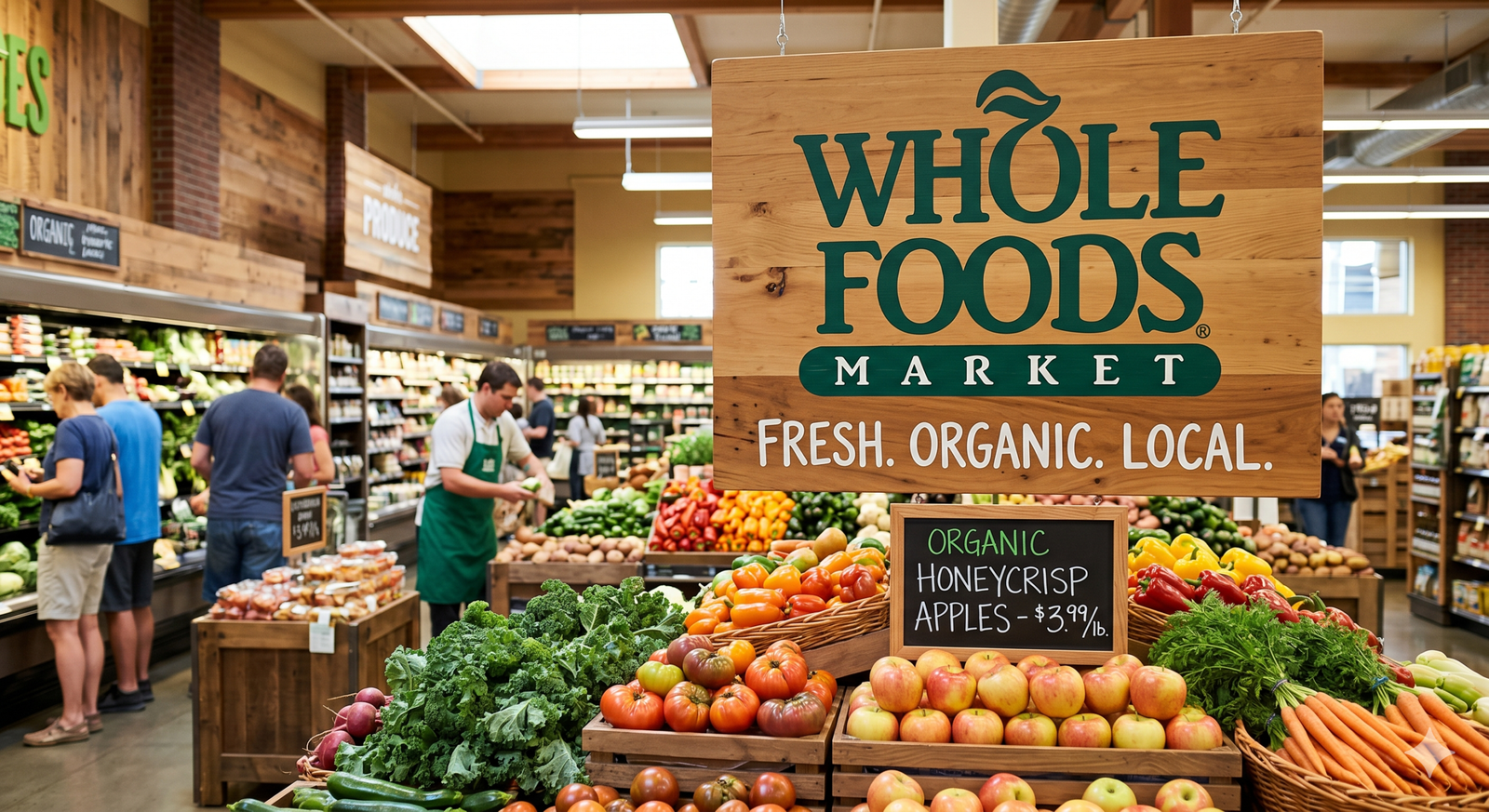
The Ultimate Guide to Navigating Whole Foods Market in 2026
Stepping into a grocery store can often feel like a mundane chore, but for many culinary enthusiasts and health-conscious shoppers, a trip to Whole Foods Market is an entirely different experience. From the vibrant displays of organic produce to the aromatic wafts coming from the artisanal bakery, the environment is designed to inspire.
Over the decades, this iconic retailer has evolved from a small natural foods store in Texas into a global powerhouse for organic living. Whether you are a dedicated regular or a curious newcomer, understanding the ecosystem of Whole Foods Market can completely transform the way you approach your weekly meal planning.
In this comprehensive guide, we will explore everything that makes this supermarket chain unique. We will dive into their rigorous quality standards, explore the latest 2026 food trends identified by their expert council, and share actionable tips to help you maximize your grocery budget. If you want to learn how to shop smarter while eating healthier, you are in exactly the right place.
The Evolution and History of Whole Foods Market
The story of Whole Foods Market begins in 1980 in Austin, Texas, when four local business owners decided to merge their natural foods stores. Their vision was simple but revolutionary for the time: to provide a supermarket format that exclusively sold natural and organic products.
Throughout the 1990s and 2000s, the company expanded rapidly across the United States, Canada, and the United Kingdom. As consumer awareness around health, wellness, and environmental sustainability grew, Whole Foods Market became the go-to destination for shoppers looking to avoid highly processed foods.
The most significant turning point in the company’s recent history occurred in 2017 when Amazon acquired the grocery chain. This merger brought massive changes to the shopping experience, blending premium grocery retail with cutting-edge technology and e-commerce logistics.
Today, the integration of Amazon Prime benefits has made shopping at Whole Foods Market more accessible to a broader demographic. Furthermore, innovations like the Amazon One palm-scanning payment system and smart Dash Carts have streamlined the checkout process, keeping the brand at the forefront of modern retail innovation.
Understanding the Unmatched Quality Standards at Whole Foods Market
One of the primary reasons shoppers remain fiercely loyal to Whole Foods Market is the brand’s uncompromising commitment to quality. The store operates under a strict set of guidelines that dictate exactly what can and cannot be placed on its shelves.
The Banned Ingredients List
When you walk down the aisles of Whole Foods Market, you can shop with a unique sense of peace of mind. The retailer maintains a continuously updated list of over 300 banned ingredients that are common in conventional supermarkets but prohibited here.
You will never find high-fructose corn syrup, artificial food dyes, hydrogenated fats, or synthetic preservatives in any food item sold in the store. This rigorous screening process ensures that every product, whether it is a decadent dessert or a simple pantry staple, aligns with a higher standard of health and wellness.
For more information on how clean eating impacts your wellness journey, you can explore our healthy eating guides to see how eliminating artificial additives can boost your energy.
Animal Welfare and Sustainable Sourcing
The meat and seafood departments at Whole Foods Market operate under equally stringent rules. All beef, poultry, and pork sold in the store must meet the standards of the Global Animal Partnership (GAP), ensuring the animals were raised without antibiotics, added growth hormones, and with adequate space to roam.
Additionally, the retailer places a massive emphasis on sustainable seafood. By partnering with organizations like the Marine Stewardship Council, Whole Foods Market guarantees that their wild-caught seafood is sourced in a way that protects the long-term vitality of ocean ecosystems. You can learn more about these global standards directly through the Marine Stewardship Council’s official website.
Exploring the 2026 Food Trends at Whole Foods Market
Every year, the retailer’s Trends Council—a collective of buyers, foragers, and culinary experts—releases a highly anticipated report on the future of food. The 2026 food trends at Whole Foods Market reveal a fascinating shift toward ancestral eating, functional nutrition, and ethical sourcing.
The Resurgence of Traditional Fats
According to the latest forecasts, 2026 is the year of the “Tallow Takeover.” Shoppers are moving away from highly processed vegetable and seed oils, gravitating instead toward traditional, nutrient-dense fats like beef tallow.
Prized for its exceptionally high smoke point and rich flavor profile, tallow is being embraced for both frying and baking. Whole Foods Market is leading this charge by stocking a variety of regeneratively sourced tallow products, appealing to consumers who value nose-to-tail animal utilization and ancestral dietary patterns.
Fibermaxxing and Gut Health
Another massive trend dominating the aisles of Whole Foods Market in 2026 is a renewed focus on dietary fiber. While protein has long been the darling of the fitness industry, consumers are now prioritizing gut health and digestive wellness through fiber-rich foods.
You can expect to see an explosion of innovative products featuring ingredients like cassava, chicory root, and konjac. From prebiotic sodas to high-fiber baked goods, the retailer is making it easier than ever to support your microbiome without sacrificing flavor or convenience.
Championing the Female Farmer
Ethical sourcing goes beyond just environmental sustainability; it also encompasses social responsibility. In alignment with the United Nations declaring 2026 the International Year of the Woman Farmer, Whole Foods Market is actively spotlighting brands that support women in agriculture.
Shoppers will find prominent displays featuring products from brands that provide premium wages, land plots, and agricultural training to female farmers globally. By purchasing these items at Whole Foods Market, consumers can directly vote with their dollars to support gender equity in the global food supply chain.
Smart Strategies for Shopping at Whole Foods Market
Despite its stellar reputation for quality, the retailer has historically battled the “Whole Paycheck” nickname. However, with a little strategic planning, shopping at Whole Foods Market can be surprisingly affordable and budget-friendly.
Leveraging Amazon Prime Benefits
If you are an Amazon Prime member, you immediately unlock significant savings across the entire store. Prime members receive an extra ten percent off almost all items that carry a yellow sale tag, which can add up to substantial savings on a weekly grocery run.
Additionally, Prime members frequently get exclusive access to special seasonal discounts, particularly around major holidays. By simply scanning the Whole Foods Market app or using your linked Amazon One palm profile at checkout, these discounts are applied automatically.
Maximizing the 365 by Whole Foods Market Brand
One of the best-kept secrets to saving money is aggressively shopping the retailer’s private label. The 365 by Whole Foods Market brand offers thousands of everyday staples at prices that actively compete with conventional grocery chains.
From organic extra virgin olive oil and responsibly sourced canned beans to frozen organic berries and household cleaning supplies, the 365 brand refuses to compromise on quality. Every product under this label still adheres to the strict ingredient standards that Whole Foods Market is famous for, making it a win-win for your health and your wallet.
Shopping Seasonally and in Bulk
Another excellent way to stretch your grocery budget is to purchase produce only when it is at the peak of its season. Seasonal fruits and vegetables are not only fresher and more flavorful, but they are also priced much lower due to abundant supply.
Furthermore, do not overlook the bulk bins at Whole Foods Market. Buying grains, nuts, seeds, and spices from the bulk section allows you to purchase the exact quantity you need. This eliminates the premium markup associated with fancy packaging and drastically reduces food waste in your kitchen.
The In-Store Experience: What to Look For
Shopping at this retailer is designed to be a sensory experience rather than a mere transaction. To truly appreciate what the store has to offer, you should take the time to explore its specialized departments.
The Artisan Cheese Counter
The specialty cheese counter at Whole Foods Market is legendary, often featuring hundreds of domestic and imported varieties. The cheese mongers behind the counter are highly trained experts who are always happy to offer samples and pairing advice for your next charcuterie board.
The Prepared Foods and Hot Bar
For those busy nights when cooking feels impossible, the prepared foods section is a lifesaver. The hot bar features a rotating menu of globally inspired dishes, while the robust salad bar allows you to build a customized, nutrient-dense meal on the go.
Innovative Store Formats
As we move deeper into 2026, the company continues to innovate how we shop. The introduction of the smaller-format Whole Foods Market Daily Shop locations in urban centers allows for quicker, more convenient trips for essential items without navigating a massive superstore.
These localized shops focus entirely on grab-and-go meals, essential fresh produce, and the most popular 365 brand items. It represents the brand’s commitment to adapting to the fast-paced lifestyles of modern city dwellers.
Conclusion: Embracing the Whole Foods Market Lifestyle
Ultimately, deciding where to buy your groceries is a deeply personal choice that impacts both your physical health and your financial budget. Whole Foods Market has spent over four decades proving that a supermarket can be a force for good in the food industry.
By rigidly upholding their unmatched ingredient standards, championing regenerative agriculture, and predicting forward-thinking culinary trends, they offer an experience that is difficult to replicate elsewhere. The integration with Amazon has only furthered their mission by making organic food more accessible and streamlined than ever before.
Whether you are hunting for the perfect jar of regeneratively sourced beef tallow, seeking out the freshest MSC-certified salmon, or simply stocking up on affordable 365 brand pantry staples, this retailer delivers on its promises. Shopping at Whole Foods Market in 2026 is more than just buying food; it is an investment in quality, sustainability, and your own long-term wellness.
Visit also : Trendlymora.com
Does Amazon Prime really save you money at Whole Foods Market?
Yes, having an Amazon Prime membership translates to direct, tangible savings at the register. Prime members receive an exclusive ten percent discount on hundreds of items marked with yellow sale tags throughout the store. Furthermore, Prime members frequently receive special weekly deals on highly sought-after seasonal items, like organic turkeys during Thanksgiving or fresh floral arrangements on Mother’s Day.
Why is Whole Foods Market considered more expensive than other grocery stores?
The price difference largely comes down to the strict sourcing and ingredient standards the company enforces. Products sold at Whole Foods Market are often certified organic, non-GMO, and ethically sourced, which naturally costs more to produce than conventionally farmed foods. The meat and seafood also meet rigorous animal welfare and sustainability benchmarks, reflecting the true cost of responsible food production.
Can I return a product to Whole Foods Market if I don’t like it?
Yes, the retailer offers a very generous and customer-friendly return policy. If you purchase a food item and are unsatisfied with its taste or quality, you can return it to the customer service desk with your receipt for a full refund. This satisfaction guarantee encourages shoppers to try new, unfamiliar products without the fear of wasting their hard-earned money.
What is the 365 by Whole Foods Market brand?
The 365 brand is the retailer’s exclusive private-label product line, designed to offer high-quality organic and natural foods at a more accessible price point. Products carrying the 365 label are subjected to the exact same rigorous banned-ingredient standards as name-brand items in the store. This brand encompasses everything from dairy and fresh produce to frozen meals, supplements, and household cleaning supplies.
Are all the fruits and vegetables at Whole Foods Market organic?
While the store is famous for its massive organic selection, not absolutely everything in the produce department is certified organic. Whole Foods Market clearly labels all of its produce, separating conventionally grown items from organic ones to help consumers make informed choices. However, even the conventional produce sold must adhere to the company’s baseline standards regarding prohibited agricultural chemicals and responsible farming practices.
