



Introduction: Why Amazon Is More Than Just a Shopping Website
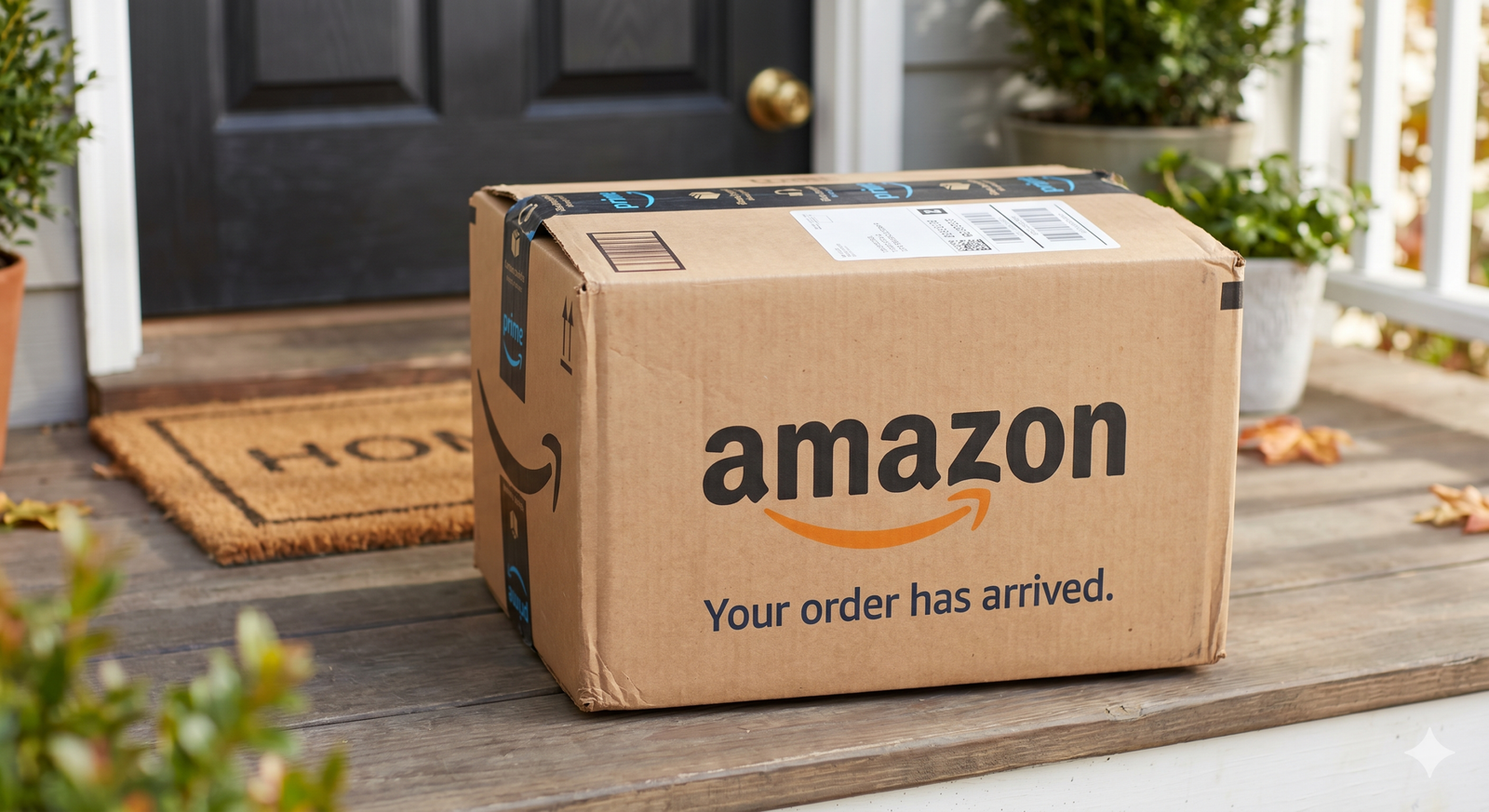
When most people hear the word Amazon, they picture the orange smile logo on a cardboard box sitting at their doorstep. But Amazon is far more than a delivery company. It is a technological empire that has quietly reshaped how billions of people shop, stream, store data, and even talk to their devices.
Founded in 1994 by Jeff Bezos in a garage in Bellevue, Washington, Amazon began as a simple online bookstore. Within a decade, it had grown into a global marketplace. Today, it operates across dozens of industries — from e-commerce and cloud computing to entertainment, grocery, and artificial intelligence. Understanding Amazon means understanding the modern digital economy itself.
This article takes a comprehensive, honest look at what Amazon is, how it works, why it dominates, and what its rise means for consumers, businesses, and the world at large.
The Origins of Amazon: From Books to Everything
Jeff Bezos left a well-paying job on Wall Street to pursue a vision that seemed almost naively ambitious at the time: sell books online and ship them directly to customers. The idea was not just about convenience. Bezos saw that the internet could offer something no physical store ever could — unlimited shelf space.
By 1995, Amazon had its first customer. By 1997, it went public. By 1998, it had already expanded beyond books into music and movies. The expansion never really stopped.
What made Amazon different was not just scale, but obsession — specifically, an obsession with the customer. From the very beginning, Amazon operated on thin profit margins, reinvesting every dollar back into the business to grow faster, serve better, and undercut competitors on price. This strategy frustrated investors for years, but it paid off in a way nobody had fully anticipated.
Amazon grew not by chasing profits but by chasing customers. And in doing so, it built one of the most loyal customer bases in business history.
How Amazon’s E-Commerce Platform Actually Works
At its core, Amazon is a two-sided marketplace. On one side are buyers — hundreds of millions of consumers around the world. On the other are sellers — individual entrepreneurs, small businesses, and major global brands. Amazon sits in the middle, facilitating transactions, providing logistics, and collecting fees.
When you search for a product on Amazon, you are not always buying from Amazon directly. A significant portion of Amazon’s listed products come from third-party sellers who pay Amazon for access to its platform and customer base. This is known as the Amazon Marketplace, and it powers a massive share of the company’s revenue.
Amazon Prime changed the game entirely when it launched in 2005. For an annual subscription fee, customers received free two-day shipping, later upgraded to same-day or next-day delivery in many cities. Prime also evolved to include video streaming, music, gaming benefits, exclusive deals, and more. Today, Amazon Prime has hundreds of millions of subscribers globally, creating a deeply loyal ecosystem that is extremely difficult for competitors to replicate.
The sheer volume of products available — often exceeding 350 million listings — is staggering. No physical retail store could ever come close. And because Amazon collects data on every single search, click, and purchase, it continuously learns what customers want, often before customers know themselves.
Amazon Web Services: The Business Most People Never See
Ask someone on the street what Amazon does, and they will probably mention shopping or deliveries. Very few will mention Amazon Web Services (AWS), yet it is arguably the most important part of Amazon’s business.
Launched in 2006, AWS started as an internal infrastructure solution. Amazon had built powerful computing and storage systems to run its own e-commerce platform, and Bezos realized that other companies needed exactly the same infrastructure. So Amazon began renting out that infrastructure to businesses, developers, and governments.
Today, AWS powers a significant portion of the modern internet. Netflix, NASA, the CIA, Airbnb, LinkedIn, and thousands of other organizations rely on Amazon’s cloud services to run their operations. AWS offers over 200 services, including data storage, machine learning, cybersecurity tools, and serverless computing.
From a financial standpoint, AWS is Amazon’s most profitable division. It consistently generates more operating income than all of Amazon’s retail operations combined. Cloud computing has become the backbone of the digital economy, and Amazon got there first, built the biggest platform, and never looked back.
Amazon and Artificial Intelligence: Quietly Leading the Charge
Artificial intelligence is not a new direction for Amazon — it has been baked into the company’s DNA for years. Amazon uses AI to power product recommendations, delivery route optimization, fraud detection, search ranking, and warehouse robotics.
But the most visible face of Amazon’s AI ambitions is Alexa, the voice assistant launched in 2014 alongside the Amazon Echo smart speaker. Alexa brought voice-based computing into millions of homes and normalized the idea of talking to a device to get answers, play music, control smart home gadgets, and place orders.
More recently, Amazon has invested heavily in generative AI, integrating large language model capabilities into AWS products and offering AI-powered tools for developers and enterprises. Amazon Bedrock, for instance, allows businesses to build and scale AI applications using foundation models from Amazon and other providers.
The company also uses AI extensively in its fulfillment centers, where robots and automated systems handle sorting, picking, and packing at extraordinary speed. Amazon’s logistics network, often described as one of the most sophisticated supply chains on the planet, runs on real-time AI decision-making.
Amazon’s Physical Footprint: More Than You Think
Despite being born in the digital world, Amazon has a significant and growing physical presence. The company acquired Whole Foods Market in 2017 for approximately 13.7 billion dollars, giving it an instant footprint in the premium grocery sector and a network of retail locations.
Amazon has also experimented with cashierless grocery stores under the Amazon Go banner, where customers walk in, pick what they want, and walk out — no checkout required. Computer vision and AI track what items are taken and automatically charge the customer’s account. These stores represent a glimpse into what retail might look like in the future.
Beyond groceries, Amazon operates its own network of delivery stations, fulfillment centers, air cargo hubs, and even its own fleet of delivery vans. The company has effectively built a private logistics empire that rivals legacy shipping carriers.
The Impact of Amazon on Small Businesses and Sellers
Amazon’s relationship with small businesses is complicated and worth examining honestly. On one hand, the platform has given millions of entrepreneurs around the world access to a global customer base they could never have reached on their own. Many small businesses generate their entire revenue through Amazon’s Marketplace.
On the other hand, Amazon’s size and data advantages create real tensions. The company has faced criticism for using seller data to develop competing private-label products. It has also been accused of favoring its own listings in search results. Regulatory scrutiny of Amazon’s marketplace practices has intensified in both the United States and Europe in recent years.
For many sellers, Amazon represents both an incredible opportunity and a significant risk. Dependence on a single platform — especially one that competes with its own sellers — creates vulnerability. But the scale of Amazon’s customer reach remains unmatched, which is why the platform continues to grow despite these concerns.
Amazon Prime Video and the Entertainment Ambition
Amazon’s ambitions extend into entertainment with Amazon Prime Video, which has grown into one of the leading streaming platforms in the world. Rather than simply licensing other studios’ content, Amazon has invested billions into original programming, producing award-winning shows and films.
Productions under the Amazon Studios banner have attracted some of the biggest names in Hollywood and beyond. The platform has won Emmy Awards, Academy Awards, and global critical acclaim for original content that rivals what Netflix, HBO, and other major studios produce.
Amazon also acquired MGM in 2022 for 8.5 billion dollars, adding an enormous library of classic films and television shows to its catalog. This acquisition significantly strengthened Prime Video’s content offering and gave Amazon ownership over decades of beloved intellectual property.
Environmental and Social Responsibility: A Mixed Picture
Amazon is one of the world’s largest emitters of carbon dioxide due to its massive logistics operations and data centers. The company has made significant public commitments to sustainability, including the Climate Pledge, which Amazon co-founded with the goal of reaching net-zero carbon emissions by 2040 — ten years ahead of the Paris Agreement’s target.
Amazon has invested in electric delivery vehicles, renewable energy, and reforestation projects. However, critics argue that the pace of these efforts does not match the scale of the company’s environmental impact, particularly as it continues to grow rapidly.
Labor practices at Amazon’s fulfillment centers have also drawn sustained criticism. Reports of difficult working conditions, high injury rates, and intense productivity monitoring have sparked employee activism and increased regulatory attention in multiple countries. Amazon has responded with wage increases and safety investments, but the debate continues.
What Makes Amazon So Difficult to Compete With
Amazon’s competitive moat is not just one thing — it is many overlapping advantages that reinforce each other. The combination of its logistics network, Prime membership ecosystem, AWS revenue, first-party data, and relentless reinvestment creates a flywheel effect that is genuinely difficult to disrupt.
New competitors can replicate one part of Amazon’s model. They cannot easily replicate all of it simultaneously. That is the fundamental reason Amazon continues to grow even after three decades in business.
The Future of Amazon: What Comes Next
Amazon is not standing still. The company is actively expanding into healthcare through Amazon Pharmacy and its One Medical acquisition. It is investing in satellite internet through Project Kuiper, designed to bring broadband connectivity to underserved parts of the world. It is building autonomous delivery systems, including drone delivery programs that are already operational in select markets.
The question is not whether Amazon will keep growing, but in which direction it will grow fastest. Every year, Amazon enters new industries and finds ways to make existing ones more efficient — or disruptive, depending on your perspective.
What remains constant is the principle Bezos enshrined from the beginning: start with the customer and work backwards. That philosophy, more than any single product or service, is what has made Amazon what it is today.
Conclusion: Amazon’s Place in the Modern World
Amazon is not just a company. It is infrastructure. It powers websites you visit, delivers food you order, streams shows you watch, and runs the software services many businesses depend on. Understanding Amazon is understanding a significant piece of how the modern world actually functions.
Whether you are a consumer who enjoys the convenience of Amazon Prime, a seller building a business on the Marketplace, a developer deploying apps on AWS, or a policymaker grappling with the implications of a company this large — Amazon touches your life in more ways than you might realize.
Its story is still being written. But what is already clear is that Amazon has changed commerce, technology, and daily life in ways that are both remarkable and worth thinking critically about. That combination of awe and scrutiny is exactly what a company of this scale deserves.
Visit also : Trendlymora.com
What exactly is Amazon and what does it do?
Amazon is a multinational technology and e-commerce company that operates in several major sectors including online retail, cloud computing through AWS, digital streaming via Prime Video, and artificial intelligence. It is one of the largest companies in the world by revenue and market capitalization.
Is Amazon Prime worth the subscription cost?
For most frequent online shoppers, Amazon Prime delivers strong value. The membership includes fast free shipping, access to Prime Video, Prime Music, exclusive deals, and more. If you shop on Amazon regularly or use streaming services, the annual fee typically pays for itself quickly — but the value depends on how often you use its various benefits.
Is it safe to buy from third-party sellers on Amazon?
Generally yes, but it requires some caution. Amazon provides buyer protections including the A-to-Z Guarantee, which covers purchases from third-party sellers. It is wise to check seller ratings, read customer reviews, and verify product descriptions before purchasing, especially for high-value items.
What is Amazon Web Services and why does it matter?
Amazon Web Services (AWS) is Amazon’s cloud computing platform, offering over 200 services including data storage, computing power, machine learning tools, and cybersecurity solutions. It matters because it powers a huge portion of the internet — from startups to government agencies. AWS is also Amazon’s most profitable business segment and a major driver of its overall financial health.
