



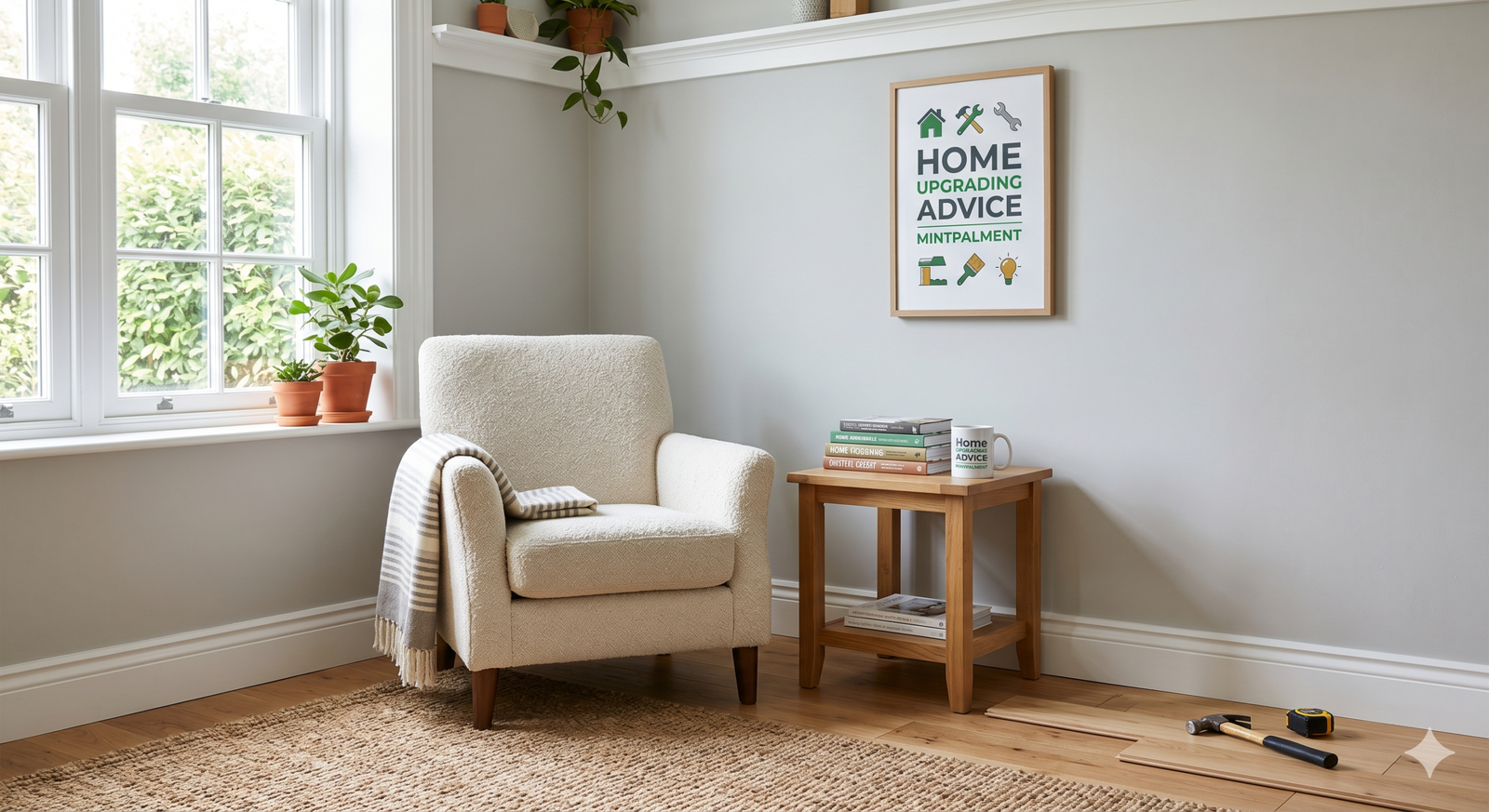
Turning a house into a dream home is a journey that almost every homeowner embarks on at some point. Whether you have just purchased a fixer-upper, are preparing to sell, or simply want to breathe new life into a space you’ve lived in for a decade, knowing where to start can be overwhelming. Striking the right balance between personal comfort and financial return on investment (ROI) requires careful planning.
This comprehensive guide delivers practical, real-world home upgrading advice to help you maximize your budget, avoid stressful remodeling traps, and create a space that feels uniquely yours.
Establish a Vision and Prioritize by Impact
Before you pick up a sledgehammer or browse a single furniture showroom, you need a roadmap. Home upgrades generally fall into three categories: cosmetic enhancements, functional improvements, and structural changes.
When establishing your priorities, consider the “heart of the home” principle. Kitchens and bathrooms consistently offer the highest return on investment and drastically alter how you interact with your living space every day. If your budget is limited, focus on high-impact zones before moving to lower-traffic areas like guest bedrooms or formal dining rooms.
Pro Tip: Make a list of “Must-Haves” versus “Nice-to-Haves.” If structural safety or outdated plumbing is an issue, those must always take precedence over aesthetic updates like marble countertops.
The Power of Cosmetic Upgrades (Big Impact, Small Budget)
You do not need to tear down walls to make a home feel entirely new. Minor cosmetic changes are often the most cost-effective way to modernize a property.
Paint is Your Best Friend
A fresh coat of paint is arguably the most transformative tool in home improvement. Outdated beige or overly bright accent walls can make a home feel small and dated. Opting for contemporary neutrals—such as soft ochres, muted greys, warm alabasters, or earthy sage greens—can instantly open up a room and reflect light more efficiently. Don’t forget the trim and doors; painting dark wood trim a crisp white can shave twenty years off a house’s perceived age.
Update the Hardware
Look closely at your kitchen cabinets, bathroom vanities, and interior doors. Are the handles and knobs tarnished brass from the 1990s? Swapping out old hardware for modern matte black, brushed brass, or sleek polished nickel alternatives is an incredibly simple DIY project that yields sophisticated results.
Focus on Lighting and Spatial Flow
Poor lighting can ruin even the most beautifully decorated room. A key piece of home upgrading advice is to layer your lighting. Relying solely on a single overhead fixture creates harsh shadows and a sterile environment.
Instead, implement the three tiers of lighting:
Ambient: Overall illumination (recessed ceiling lights or flush mounts).
Task: Focused light for specific activities (under-cabinet LED strips in the kitchen or a reading lamp by the armchair).
Accent: Decorative lighting to highlight architectural features or artwork (wall sconces or picture lights).
Replacing outdated, yellow-toned incandescent bulbs with energy-efficient LEDs in the 2700K to 3000K (warm white) range will immediately make your home feel cleaner and more welcoming.
High-ROI Upgrades: Kitchens and Bathrooms
If you are ready to invest a larger portion of your savings, the kitchen and the primary bathroom are where you will see the greatest financial recovery.
+---------------------+-----------------------+-------------------------+
| Upgrade Area        | Mid-Range ROI (Est.)  | Key Focus Points        |
+---------------------+-----------------------+-------------------------+
| Kitchen Remodel     | 60% - 75%             | Cabinets, Counters      |
| Bathroom Refresh    | 55% - 70%             | Vanity, Tile, Shower    |
| Energy Efficiency   | 70% - 85%             | Windows, Insulation     |
+---------------------+-----------------------+-------------------------+
The Kitchen Refresh
If your cabinet boxes are structurally sound, do not pay tens of thousands of dollars to replace them. Consider having them professionally refaced or painted. Pair the refreshed cabinets with a durable, low-maintenance countertop like quartz, and replace an outdated backsplash with classic subway tile or a modern geometric pattern.
The Bathroom Oasis
In the bathroom, cleanliness and luxury are the goals. Replacing a cracked, discolored plastic shower insert with a tiled walk-in shower completely transforms the room’s dynamic. If space permits, a double-sink vanity adds massive functional value for couples and families.
Enhance Curb Appeal
First impressions matter immensely, not just for potential buyers, but for your own pride of ownership when you pull into the driveway. The exterior of your home sets the tone for what lies inside.
The Front Door: Paint your front door a bold, welcoming color that complements the exterior siding. Replace old house numbers with modern, legible fonts.
Landscaping: You don’t need an expensive professional landscaping team. Keeping the lawn neatly edged, clearing out dead shrubs, and laying down a fresh layer of dark mulch can instantly make the yard look pristine.
Exterior Lighting: Accentuate walkways with solar-powered path lights and install handsome lanterns on either side of the garage and front entrance.
Smart Home Integration and Energy Efficiency
Modernizing your home isn’t just about what you can see; it’s also about how the house operates. Investing in energy-efficient upgrades lowers your utility bills today and serves as a major selling point in the future.
Consider installing a programmable smart thermostat, which learns your daily routines and optimizes heating and cooling cycles. Upgrading to low-flow faucets and smart lighting systems adds convenience while conserving resources. Furthermore, ensuring your attic insulation is up to par is an invisible upgrade that pays massive dividends on your monthly energy expenditures.
Conclusion: Take it One Step at a Time
The most vital piece of home upgrading advice is to pace yourself. It is easy to watch home renovation television shows and assume an entire house can be remodeled in a weekend. In reality, rushing leads to sloppy finishes, blown budgets, and immense stress.
Pick one project, see it through to completion, and enjoy the satisfaction of watching your living space evolve. By blending smart budgeting with thoughtful design, you can construct a home that yields comfort for your family and financial value for your future.
read also : Wednesday Blessings: How to Refresh Your Mind and Energy Midweek
What is the most cost-effective way to make a room feel “expensive”?
The secret usually lies in lighting and hardware. Swapping out dated, builder-grade light fixtures for a statement chandelier or modern pendants can completely shift the mood of a room. Similarly, replacing old cabinet handles and door knobs with high-quality finishes like matte black or brushed brass provides a tactile sense of luxury for a relatively low price.
How can I make a small living space feel more open without knocking down walls?
It’s all about the “Floor-to-Ceiling” rule.
Curtains: Hang your curtain rods higher and wider than the actual window frame to draw the eye upward.
Mirrors: Placing a large mirror opposite a window reflects natural light and creates the illusion of depth.
Leggy Furniture: Choose sofas or chairs with visible legs rather than pieces that sit flat on the floor; seeing more of the floor makes the room feel less crowded.
Which smart home upgrades actually add value to a property?
While tech changes fast, smart thermostats, security systems, and automated lighting remain the top “value-add” upgrades. Buyers appreciate the energy efficiency of a programmable thermostat and the “move-in ready” feel of a pre-installed security camera system or smart locks.
How do I choose a color palette that won’t feel dated in two years?
Stick to the 60-30-10 rule with a neutral base.
60% is your dominant neutral (walls/large rugs).
30% is a secondary color (upholstery/curtains).
10% is your “trendy” accent color (pillows/art). This way, if a specific color trend fades, you only have to swap out the 10% accent pieces rather than repainting the entire house.
What’s the biggest mistake people make during a DIY home upgrade?
The most common pitfall is ignoring the “bones” for the sake of aesthetics. Before buying new furniture or decor, ensure your lighting, flooring, and wall textures are solid. Putting a high-end sofa in a room with flickering lights or stained carpet won’t elevate the space; it will only highlight the existing issues. Fix the foundation first, then layer the style on top.
