



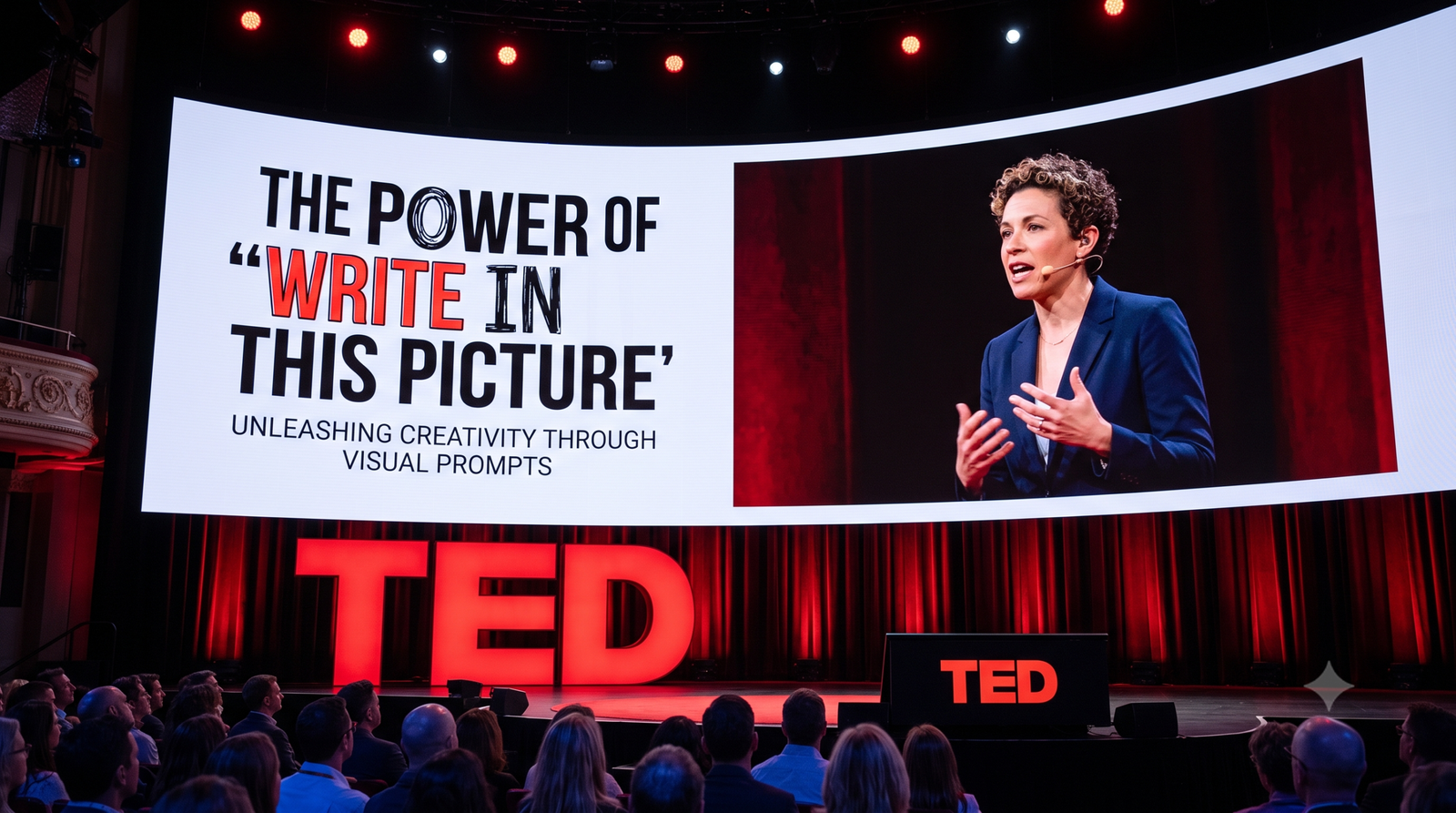
TED Talk: What It Is, Why It Matters, and How to Watch, Learn From, and Even Deliver One
If you’ve spent any time online in the last two decades, chances are a TED Talk has crossed your screen. Maybe it was a scientist explaining the wonder of the human brain, an entrepreneur sharing a hard-earned failure, or an activist calling for change in eighteen minutes or less. A TED Talk isn’t just a video clip — it’s a carefully crafted piece of storytelling designed to spread one idea as clearly and powerfully as possible.
In this article, we’ll walk through what a TED Talk actually is, where the format came from, why it continues to shape how the world talks about big ideas, and how you can use TED Talks to learn, grow, or even step onto that iconic red-carpeted stage yourself.
What Exactly Is a TED Talk?
At its core, a TED Talk is a short, recorded presentation given at a TED conference or a licensed TEDx event, built around a single idea worth sharing. The talks are famously brief — usually capped around eighteen minutes — because the format forces speakers to distill complex ideas into something digestible and memorable rather than dragging out a topic with filler.
The word “TED” stands for Technology, Entertainment, and Design, reflecting the three fields that inspired the very first event. Today, though, a TED Talk can cover almost anything: psychology, climate policy, art, business strategy, personal resilience, artificial intelligence, and much more. The unifying thread isn’t the subject matter; it’s the commitment to sharing one clear, well-argued idea in a way that sticks with the audience long after the talk ends.
Where the TED Talk Format Came From
The story behind the TED Talk is almost as interesting as the talks themselves. TED began in February 1984 as a one-time conference organized by architect Richard Saul Wurman and broadcast designer Harry Marks, bringing together a few hundred people in Monterey, California, to explore the convergence of technology, entertainment, and design, as TED evolved from that rough, financially difficult first event into a renowned annual conference held in California, attracting speakers from business, music, and philosophy.
Interestingly, that first conference actually lost money, and it took six years before organizers tried again. The main conference has been held annually since 1990, gradually broadening beyond technology and design to include scientific, cultural, political, humanitarian, and academic subjects. The turning point for the modern TED Talk as we know it came in 2006, when TED began posting talks online for free. The first TED Talks were posted online on June 27, 2006, and by September of that year they had already reached more than one million views. That early surge convinced the organization to rebuild its entire strategy around free online video, and the TED Talk quickly became a global phenomenon rather than a niche conference perk.
From Conference Stage to Global Classroom
Once TED Talks moved online, growth was rapid. By 2009, the number of views had grown to 100 million, and Sir Ken Robinson’s talk on creativity became the first to reach 10 million views on its own. Since then, the platform has expanded into TEDx (independently organized local events), TED-Ed for educators, TED Women, and translated talks available in well over 100 languages, making a single TED Talk accessible to audiences who may never set foot in a conference hall.
Why the TED Talk Format Works So Well
There’s a reason the eighteen-minute TED Talk has become the gold standard for idea-sharing rather than a gimmick that faded away. Several factors make the format uniquely effective, and understanding them can help you get more out of every TED Talk you watch.
First, brevity forces clarity. Speakers can’t hide behind rambling explanations, so a well-prepared TED Talk usually opens with a hook, builds through a clear narrative arc, and lands on a memorable takeaway. Second, storytelling is prioritized over dry data dumps; even highly technical TED Talk speakers are coached to frame their research as a human story with stakes and emotion. Third, the diversity of speakers — from Nobel laureates to first-time public speakers with a powerful personal story — keeps the format from feeling repetitive or elitist.
The Structure Behind a Great TED Talk
Most memorable talks follow a loose but consistent structure. The speaker opens with a relatable moment or provocative question, introduces the central idea early, supports it with two or three vivid examples or pieces of evidence, and closes with a call to reflection or action. If you’re studying communication or public speaking, breaking down a TED Talk this way is one of the fastest ways to absorb the mechanics of persuasive storytelling. For a deeper dive into structuring your own presentations, check out our related guide on public speaking fundamentals on our blog.
How to Find the Right TED Talk for You
With thousands of talks now available, choosing where to start can feel overwhelming. The official TED website organizes content by topic, length, and even mood, so you can search for a TED Talk about leadership, grief, innovation, or productivity depending on what you need that day. TED’s own platform at ted.com remains the most reliable source, since it hosts the full, unedited catalog along with transcripts and translations.
If you’re new to the format, it helps to start with widely recommended talks in a subject you already care about, then branch outward. Many people discover an entirely new field of interest simply because a single TED Talk introduced the topic in an engaging, low-pressure way. Because each TED Talk stands alone, there’s no obligation to follow any particular order — you can treat the archive like a buffet rather than a syllabus.
Giving Your Own TED Talk or TEDx Talk
A lot of people watch a TED Talk and think, “I have an idea like that too.” The good news is that the format has been deliberately opened up for wider participation. TEDx events, licensed by TED but organized independently around the world, let local communities host their own TED Talk-style events with speakers who apply or are nominated. This is often the most realistic path for someone who wants the TED Talk experience without needing a direct invitation from the main organization.
If you’re preparing your own talk, the same principles that make a professional TED Talk successful apply to you: pick one idea, not five; build a narrative rather than a bullet-point lecture; rehearse until the talk feels conversational rather than memorized; and always end with something the audience can carry with them. Organizations like Toastmasters International offer excellent, low-stakes environments to practice these same storytelling skills before stepping onto a bigger stage.
The Broader Impact of the TED Talk Phenomenon
It’s easy to underestimate how much a TED Talk can influence public conversation until you look at the numbers. Talks have collectively been viewed billions of times, and single talks on topics like creativity, vulnerability, and body language have reshaped how millions of people think about everyday life. Universities cite TED Talks in classrooms, companies use them in leadership training, and therapists sometimes recommend specific talks to clients working through particular challenges.
That said, the format isn’t without its critics. Some commentators argue that condensing complex research into eighteen polished minutes can oversimplify nuanced topics, and TED itself has occasionally removed or restricted talks that didn’t meet its editorial standards. Approaching any TED Talk with a healthy dose of critical thinking — treating it as a compelling introduction rather than the final word on a subject — will help you get the most accurate value from what you watch.
Final Thoughts on the Enduring Power of the TED Talk
Nearly two decades after the first talks went online, the TED Talk remains one of the most effective formats for spreading ideas that exist today. Its blend of brevity, storytelling, and genuine curiosity about the world explains why it has outlasted countless other conference formats and video trends. Whether you’re watching a TED Talk for inspiration, studying one to sharpen your own communication skills, or dreaming of giving a TEDx Talk yourself someday, the format offers something rare: complex ideas made genuinely accessible to anyone willing to listen for eighteen minutes.
If this guide sparked your curiosity, explore more of our communication and personal development articles to keep building on what you’ve learned here, and consider bookmarking a few TED Talk topics to revisit whenever you need a fresh perspective.
Visit also : Trendlymora.com
What does TED stand for in a TED Talk?
TED stands for Technology, Entertainment, and Design, the three original focus areas of the first conference held in 1984. Over time, the scope of a typical TED Talk expanded well beyond these three fields to include science, business, health, art, and social issues.
How long is a typical TED Talk?
Most TED Talks run eighteen minutes or less. This limit was chosen deliberately because it’s long enough to develop a meaningful idea but short enough to hold an audience’s full attention without losing focus.
Are TED Talks free to watch?
Yes, TED Talks have been available for free online since June 2006, and the full catalog can be streamed on TED’s official website or YouTube channel without a subscription or payment.
What’s the difference between a TED Talk and a TEDx Talk?
A TED Talk is delivered at an official TED-run conference, while a TEDx Talk happens at an independently organized, locally licensed event that follows TED’s format and guidelines. Both are usually recorded and can be published on TED’s platforms.
How can I apply to give a TED Talk?
Most people start by applying to speak at a local TEDx event, since these are more accessible than the main TED conference. Reaching out to a nearby TEDx organizer with a clear, well-developed idea is typically the most practical first step toward eventually giving a TED Talk of your own.
